
Product Recommendations
This is the gear we have personally tested — and by some people's standards, abused. We would and do trust our lives with these products. Most information on the internet is propped up by kickbacks, sponsorships, and marketing campaigns. Our opinion cannot be bought, and we only recommend what we've personally run.
Weapon Lights
Weapon lights come in all different sizes and prices. We have had more lights fail than some would believe — pressure pads dying during night hunts, flickering that looked intentional, electronics destroying themselves from high round counts.
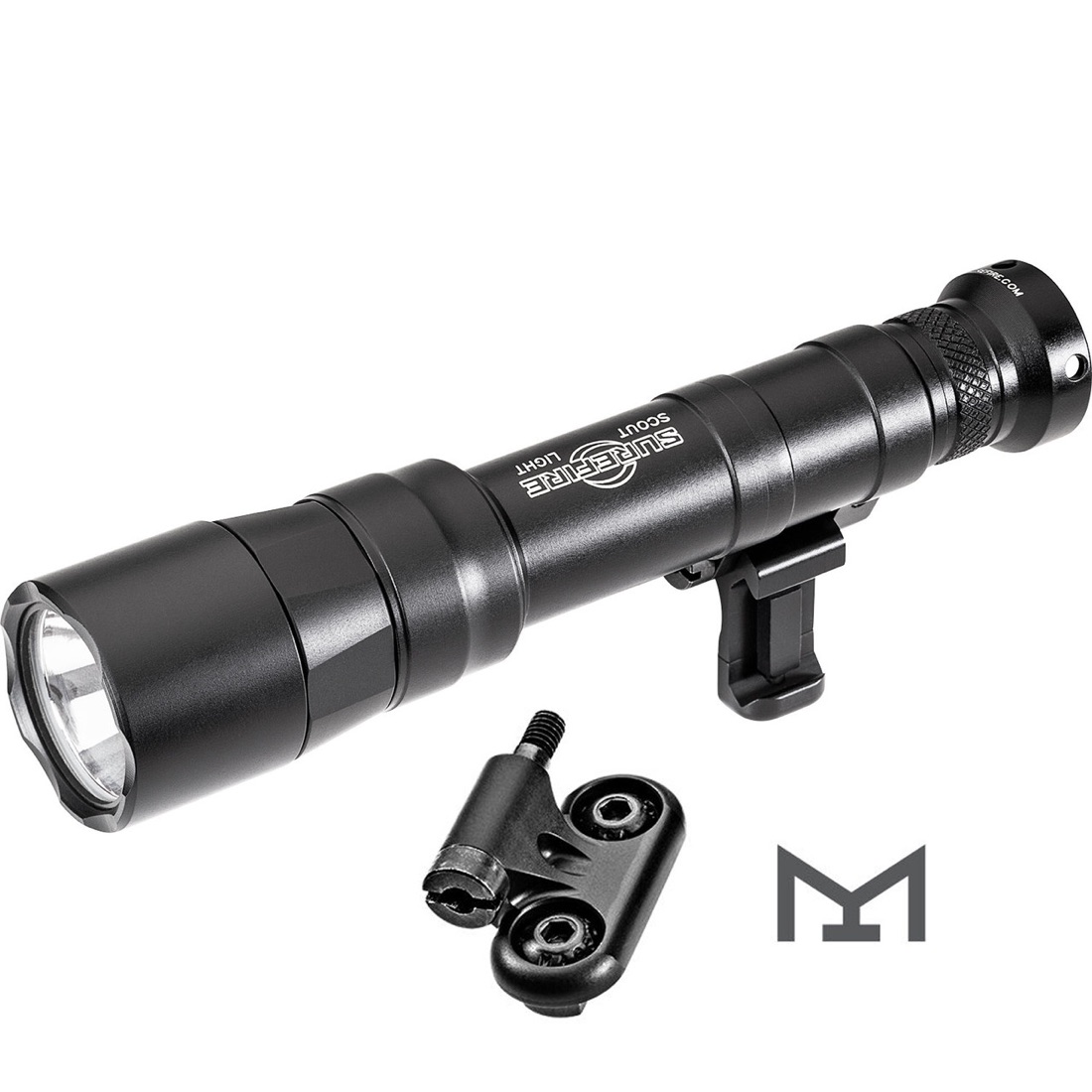
Surefire 640 Dual Fuel Turbo
Just like the original 640DF, these lights are bomb-proof. The Turbo models are fantastic for cutting through dust, smoke, and fog. If you want high candela that allows easy positive identification out to 150 yards, this is the light — 90,000 to 100,000 candela with insane throw. It outperforms everything in its class in reliability, output, mounting solutions, or all of the above.
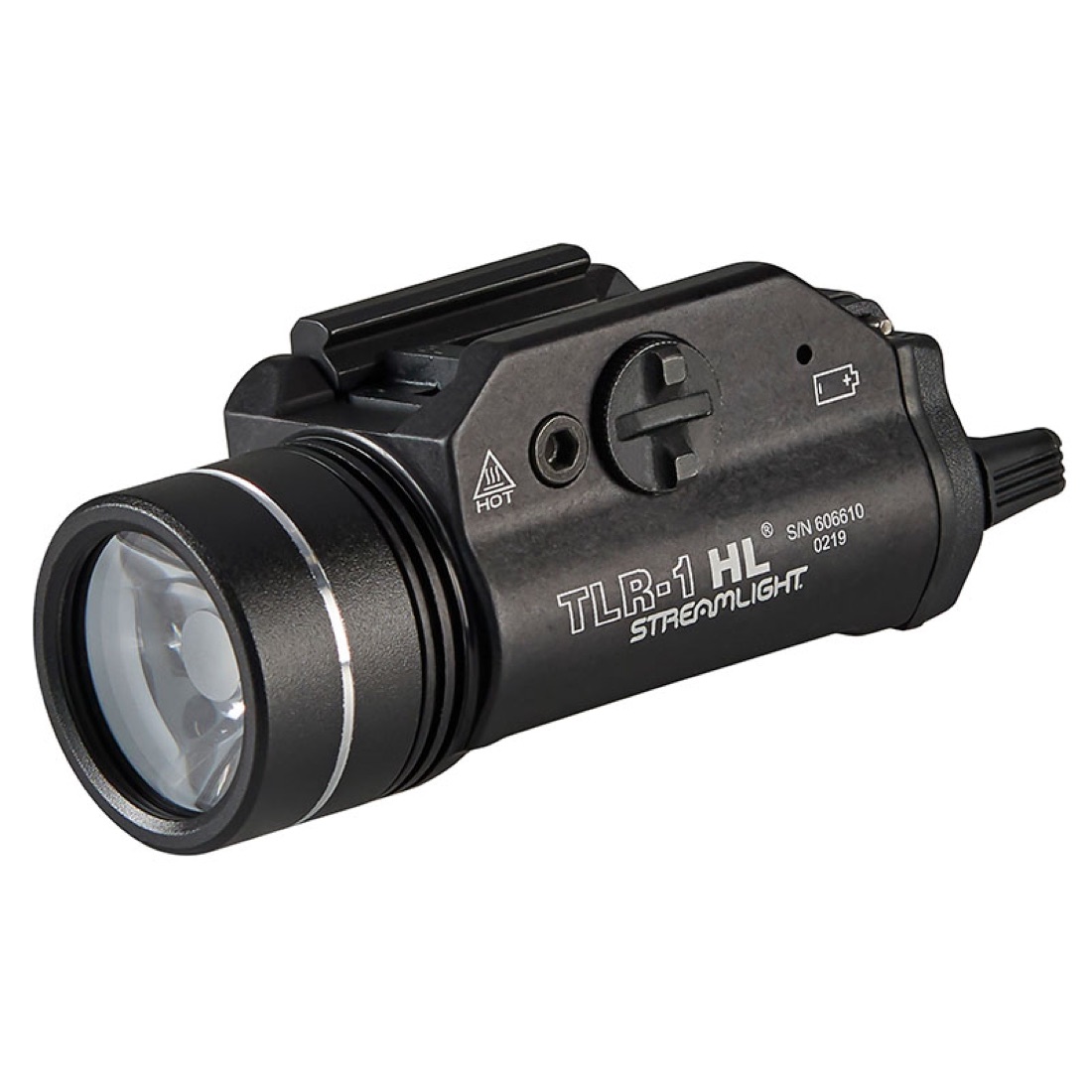
Streamlight TLR-1 HL
The TLR-1 HL has been the best and most usable pistol light for us by far. Two-hand shooting is a breeze with the switch design, momentary doesn't require breaking your grip, and one-handed manipulations are just as easy. We've carried these every day and put tens of thousands of rounds downrange — we have never seen one go down. No X300 price tag, and exactly what we need.
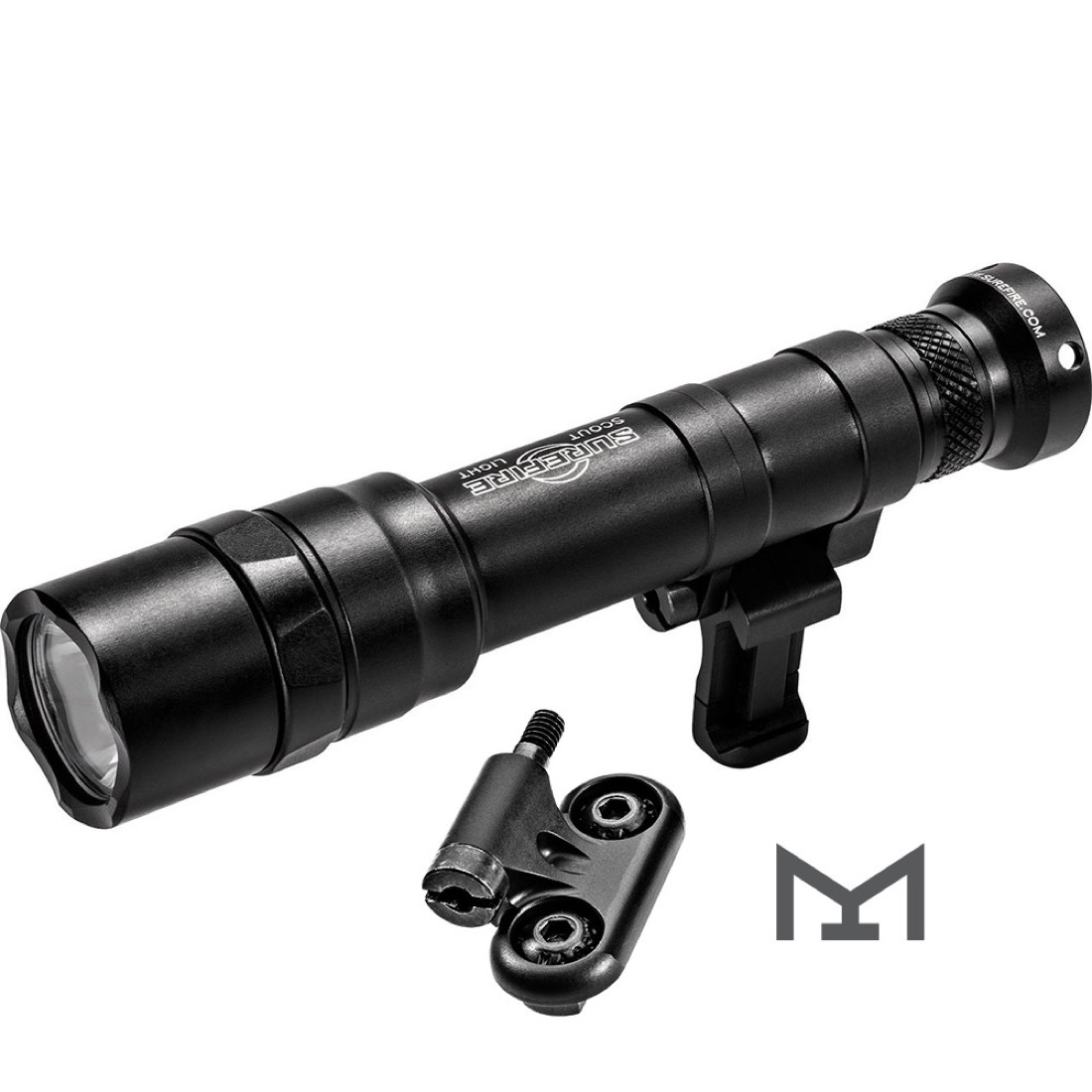
Surefire 640 Dual Fuel
Unmatched reliability and a great flood for a home-defense rifle — never a failure on our ARs, AKs, shotguns, or FRT rifles. Lower candela, so it won't punch through dust and fog like the Turbo, but with 12,800–16,000 candela and 1,200–1,500 lumens it will light up a room, barn, building, or vehicle. Our top choice for a high-output home-defense weapon light.
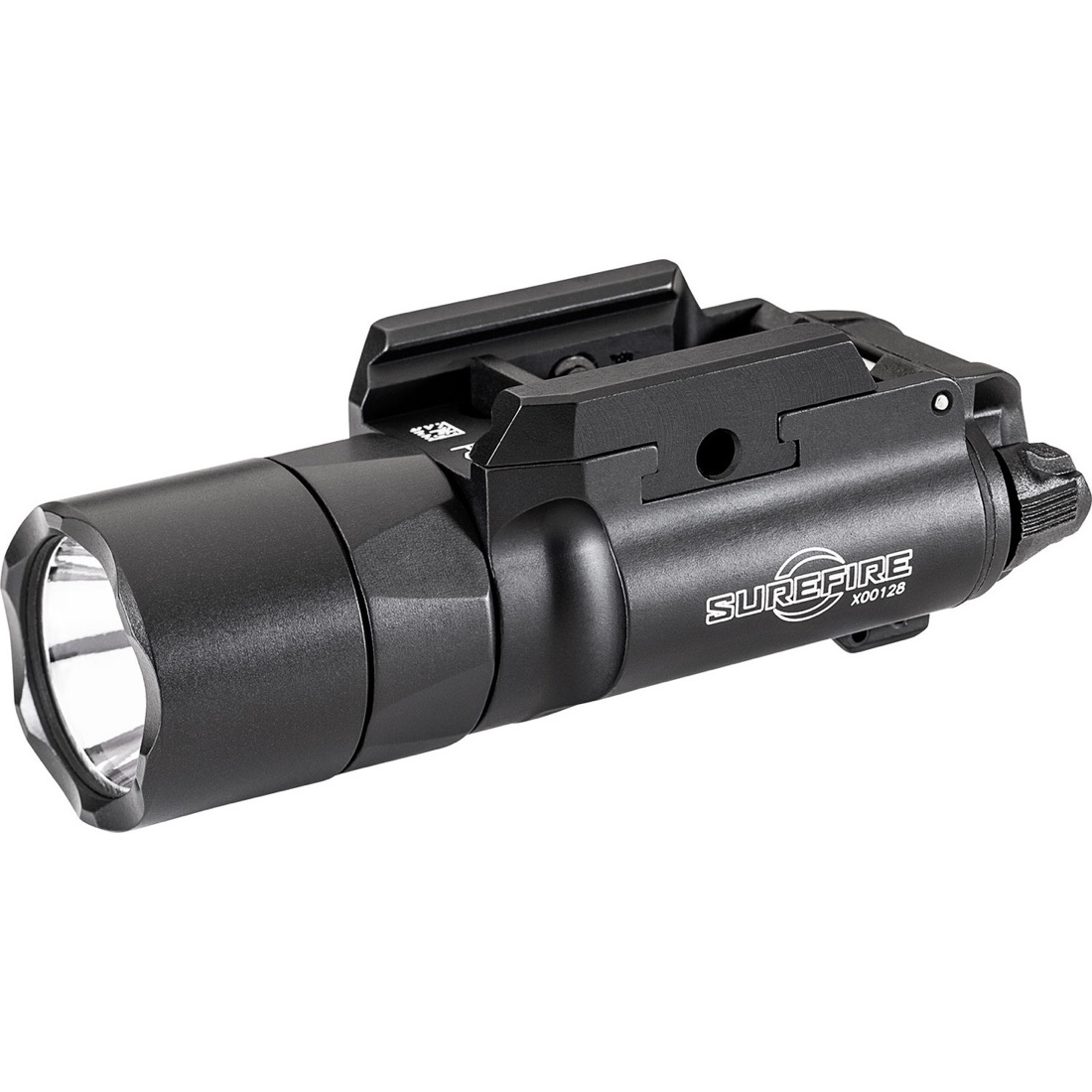
Surefire X300 Turbo
If you want high candela in a pistol light, this is it. If budget isn't a constraint, the X300 series — specifically the Turbo models — is a great option. Pricier than the TLR-1 HL and we still prefer the TLR's switches, but the raw performance as a standalone light is hard to beat.
Rifle Slings
A sling is one of the top three items for every rifle you own: a solid light, good sights or optic, and a sling to keep it attached to you. Our criteria: quick adjustment that only moves when needed, comfortable enough to wear all day, and it stays on the rifle.
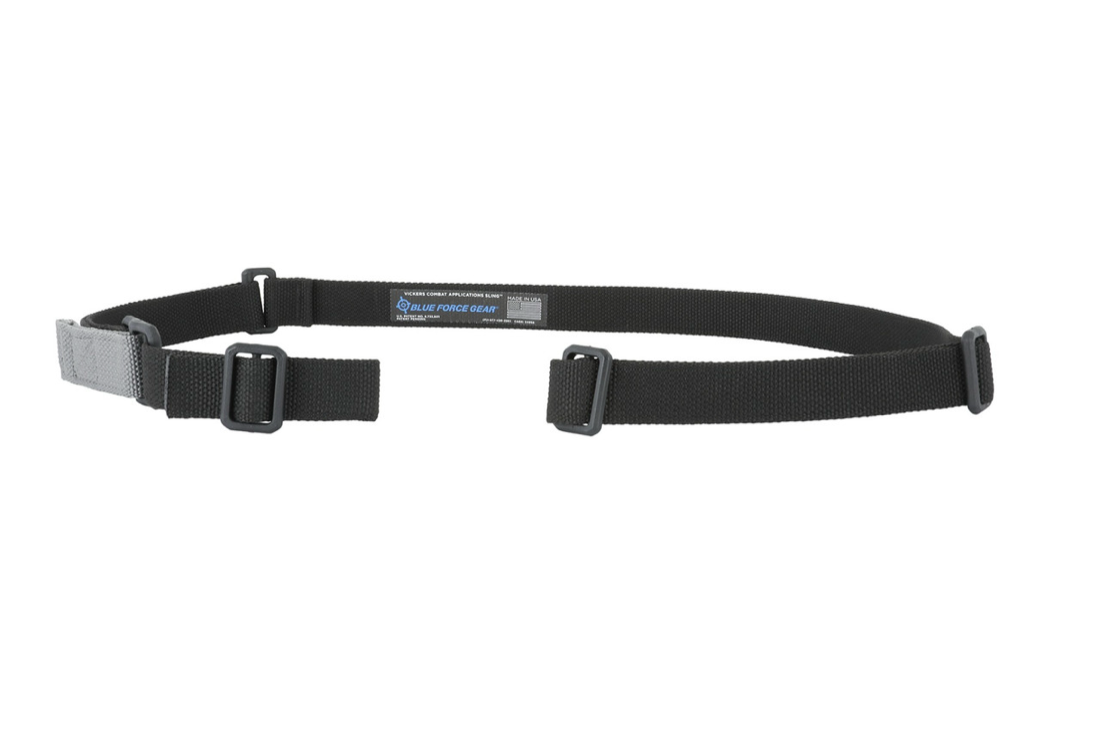
Blue Force Gear Vickers Sling
Great for a general-purpose rifle, PDW, or home-defense rifle. Intuitive adjustments, robust material, QD or direct mounting. Used by the US military worldwide and LEO agencies across the country for decades — if it's good enough for them, it will serve you well.
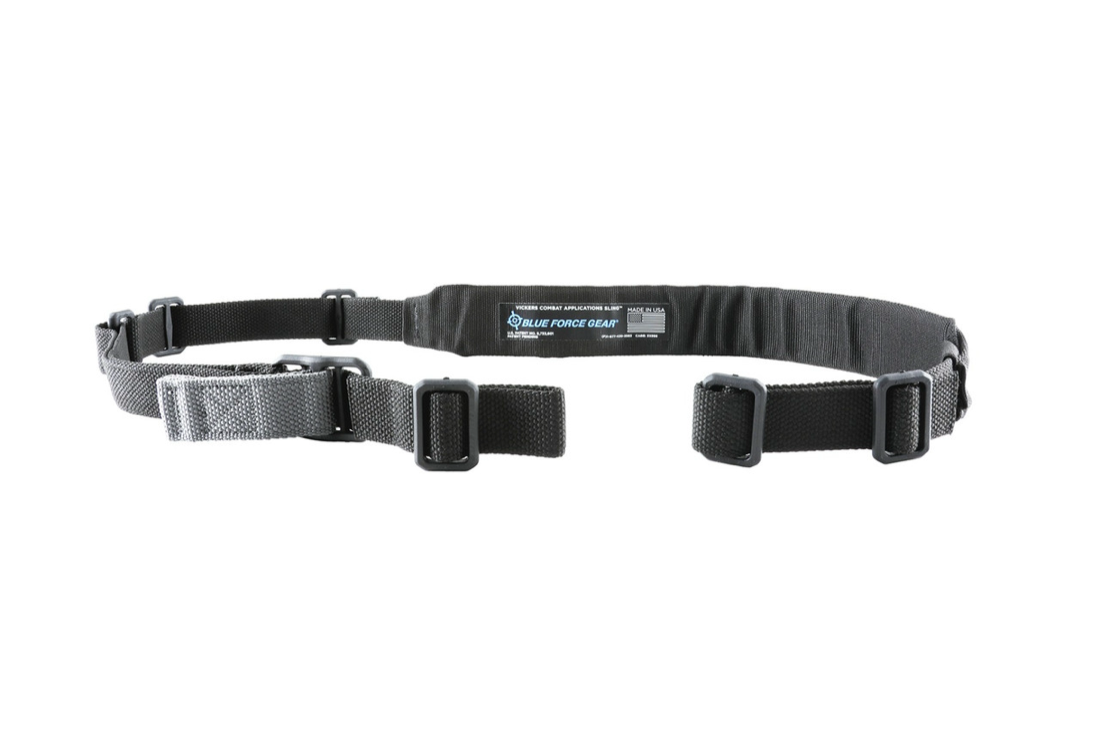
Blue Force Gear Padded Vickers
Functionally the same as the original Vickers, padded for extra comfort. Our top choice for rifles over 10 lbs in prolonged use — IAR and SPR setups. The military has run these since 2012; the USMC uses them on M27 IARs, M249s, and M240Bs, so it'll serve that Red Right Hand or Lima Six rifle you're building.
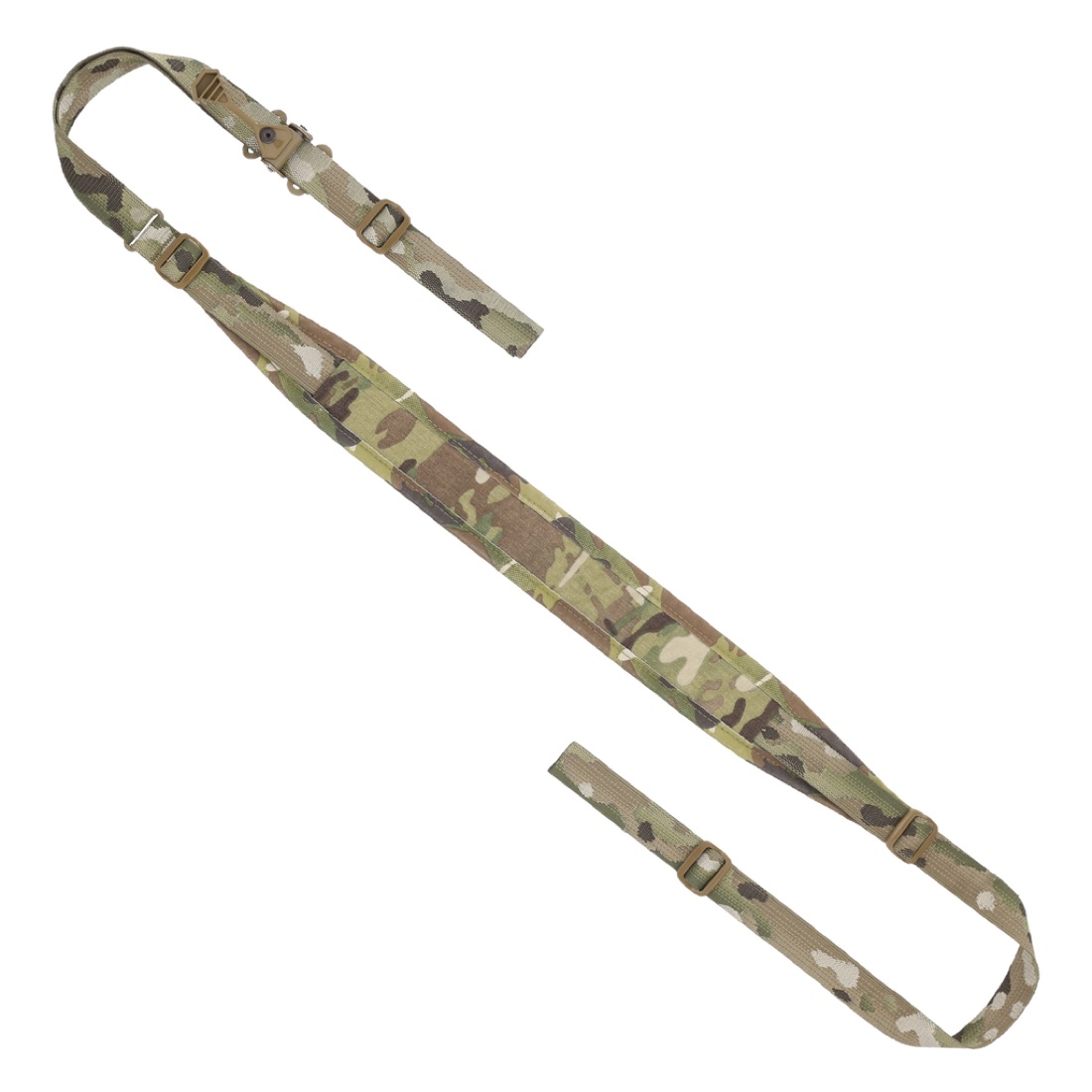
Ferro Concepts Slingster
Meets every criterion for a solid sling with an intuitive adjustment system, and the removable padding lets it fill any role. Note: the aluminum adjustment hardware will mark your rifle up — it rubs off with Scotch-Brite if you care about keeping it pretty. The rubber pull tab is easier to find in the dark or in a hurry than fabric tabs.
Rifle Optics
There are plenty of fantastic rifle optics, so here are our favorites and why. Budget is everything with optics — getting magnification done right under $1,000 is genuinely hard.
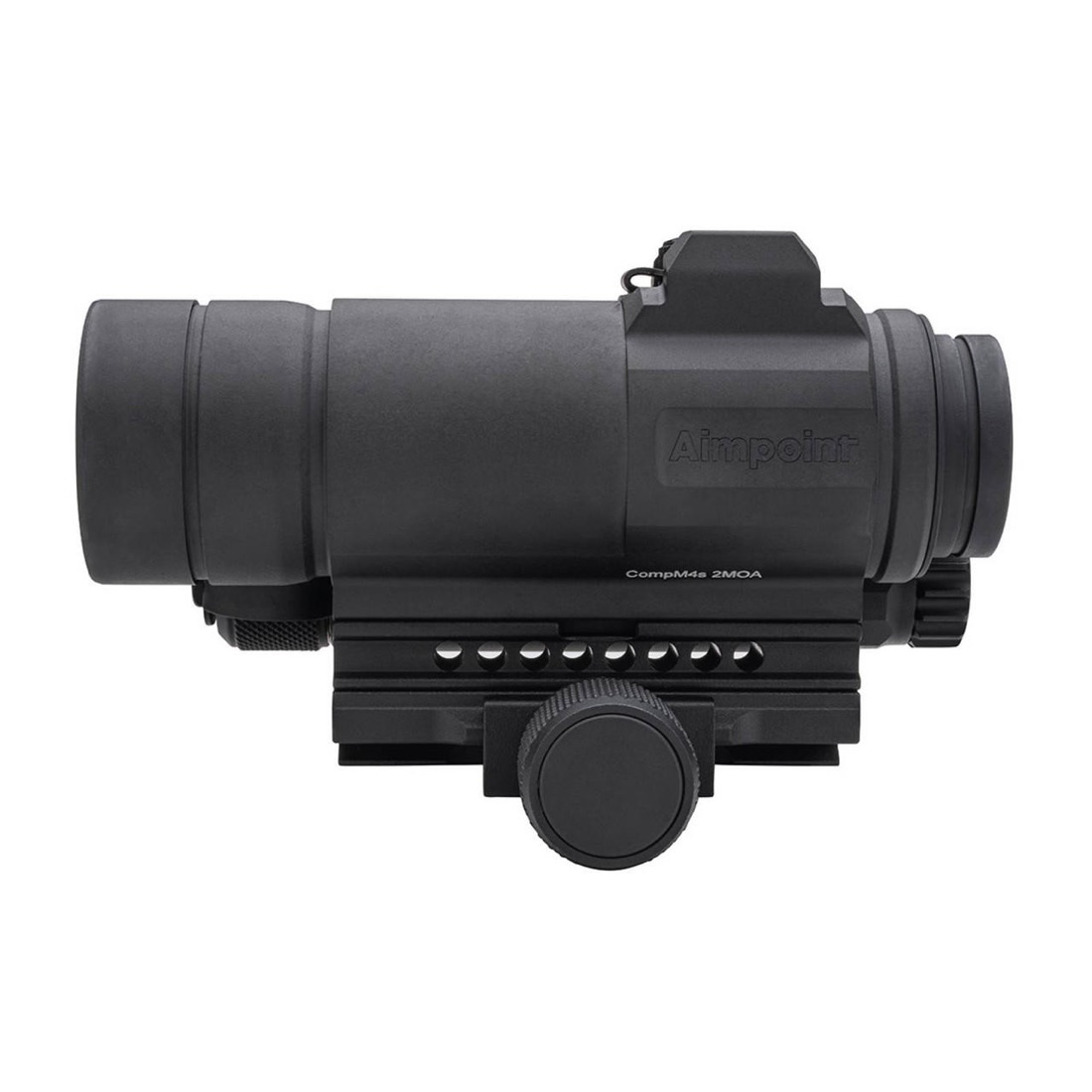
Aimpoint Comp M4/M4S
Designed to be bomb-proof, in US military service since 2007 and still fielded today. 80,000-hour battery life on one AA, mount options from tons of quality riser companies, and you can find one used for under $500.
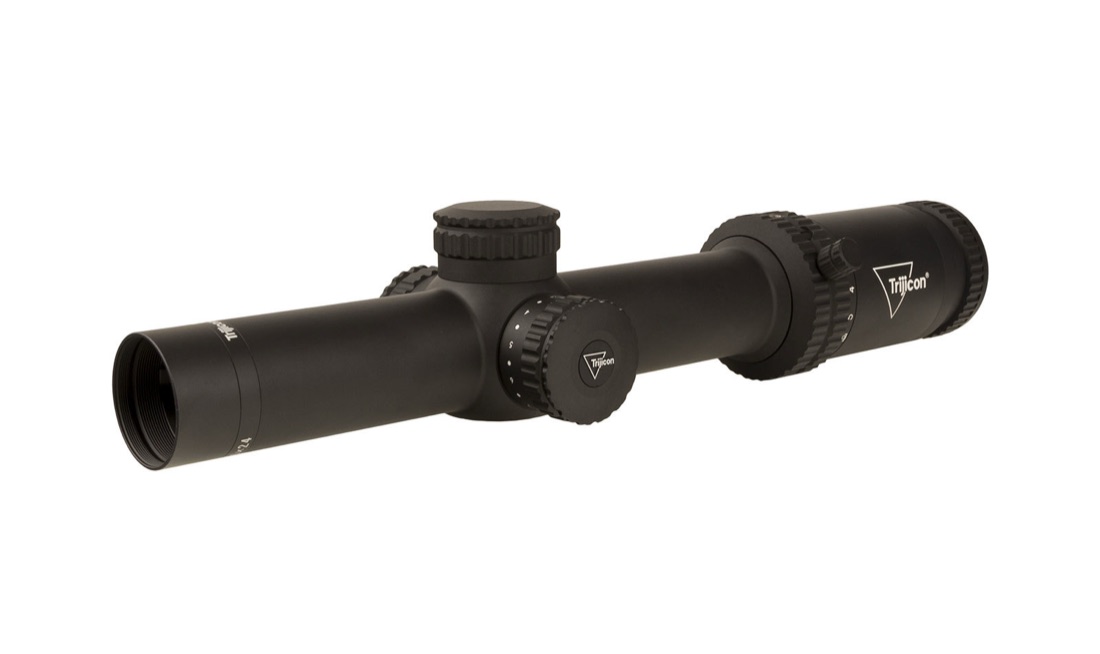
Trijicon Credo 1-6 SFP
The best configuration for a combat LPVO on a 5.56 rifle out to 400 yards. The SFP Credo has the best 1x on the market — no fisheye. When you're using the BDC you'll usually be at 6x anyway, which stays clearer than optics with larger erector ratios (1-8, 1-10). Most LPVOs are over-constrained and best at nothing; this is the best optic at being what an LPVO was meant to be.
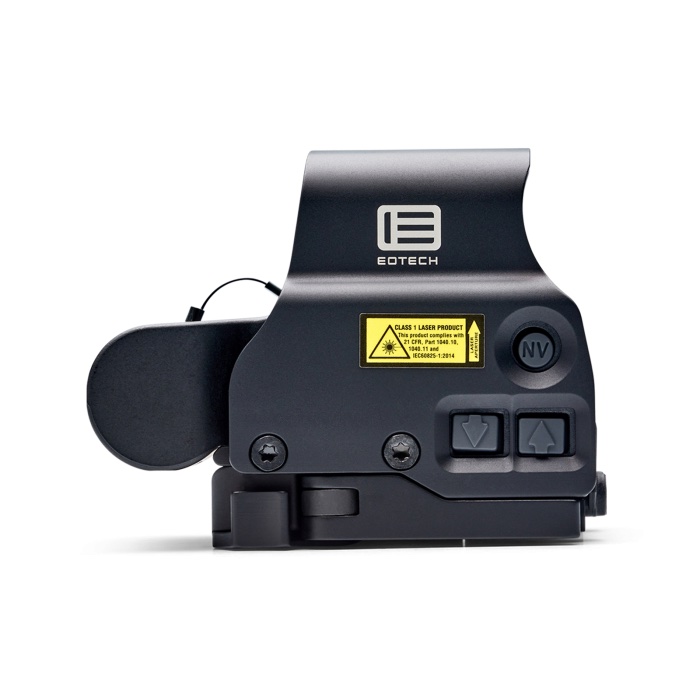
EOTech EXPS 3
An obvious pick for any serious list. Robust, fantastic under night vision, the best with magnifiers, and the donut-of-death reticle is notorious for CQB — and it looks right on a rifle (Rule #1: it has to look good). The EOTech tax is battery life: roughly 600 hours at realistic daylight settings. Perfect when you can press the button before use; for a truck or bedside rifle we prefer an always-on dot.
Rifle Magazines
Short and sweet: there's far more bad than good in the magazine market. Don't trust any magazine or ammo you haven't personally run in your rifle — someone on YouTube having good luck is not data.
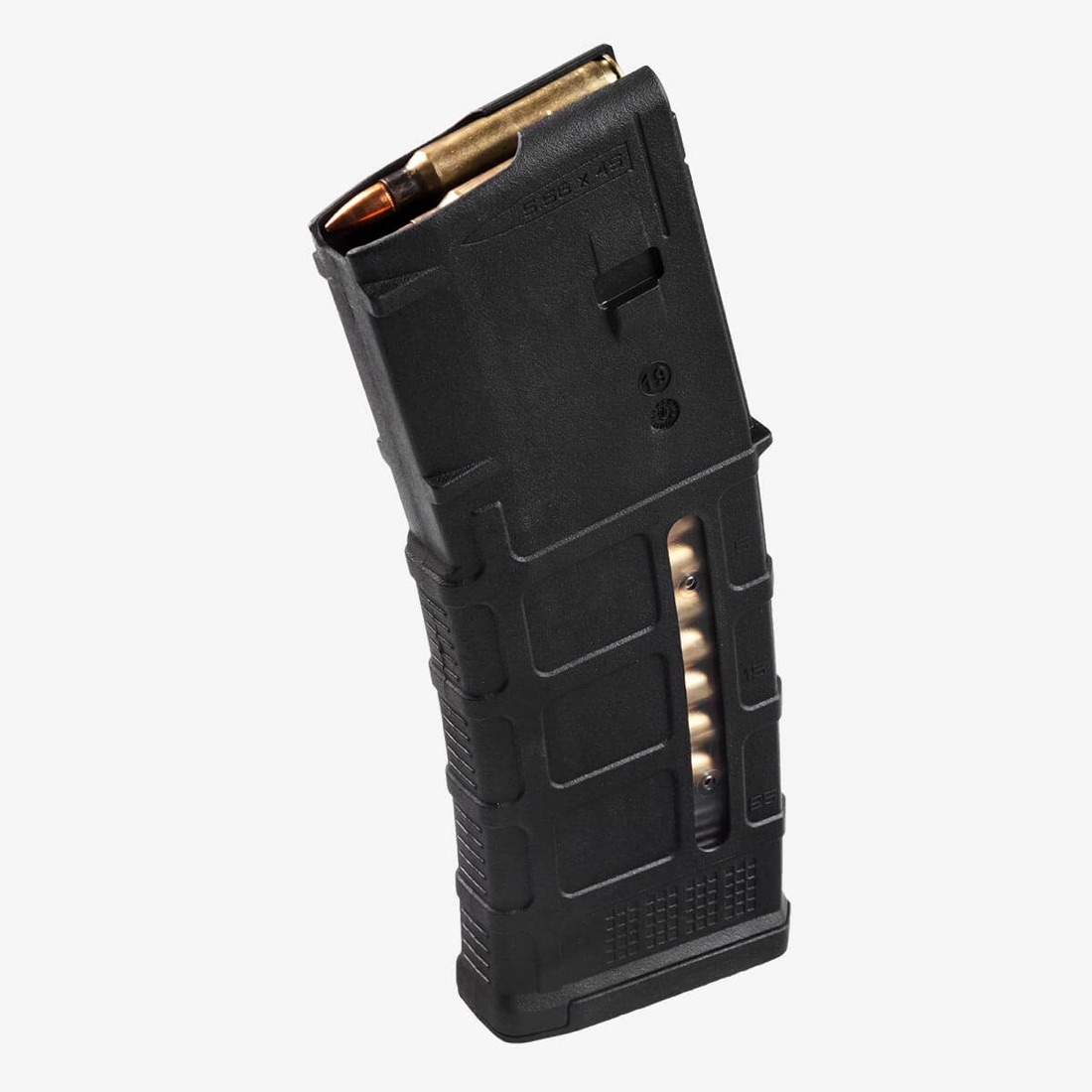
Magpul Gen 3 PMAG
The holy grail of reliable magazines — they outfit all of our fighting loadouts. We've abused them beyond Magpul's recommendations and so have hundreds of thousands of others. If a war is being fought, it's being fought on these. Grab the windowed version if you can.
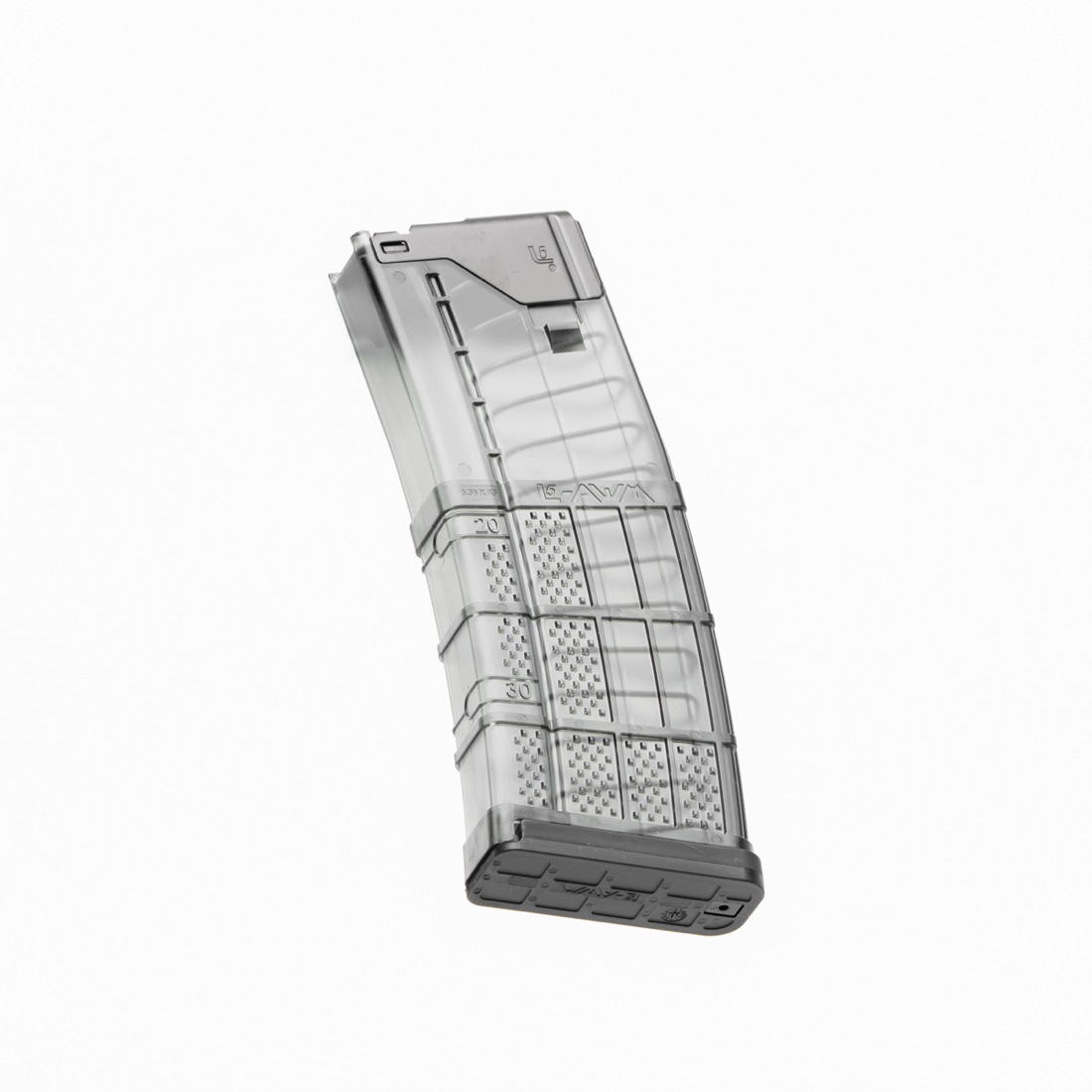
Lancer L5AWM Gen 2
People whose opinions we trust put these on the same pedestal as the Gen 3 PMAG. Tens of thousands of rounds through ours with no problems. If you want steel feed lips or just prefer the Lancer vibe, it's a duty-rifle-worthy alternative — costs more, without the PMAG pedigree, but nothing but fantastic for us.
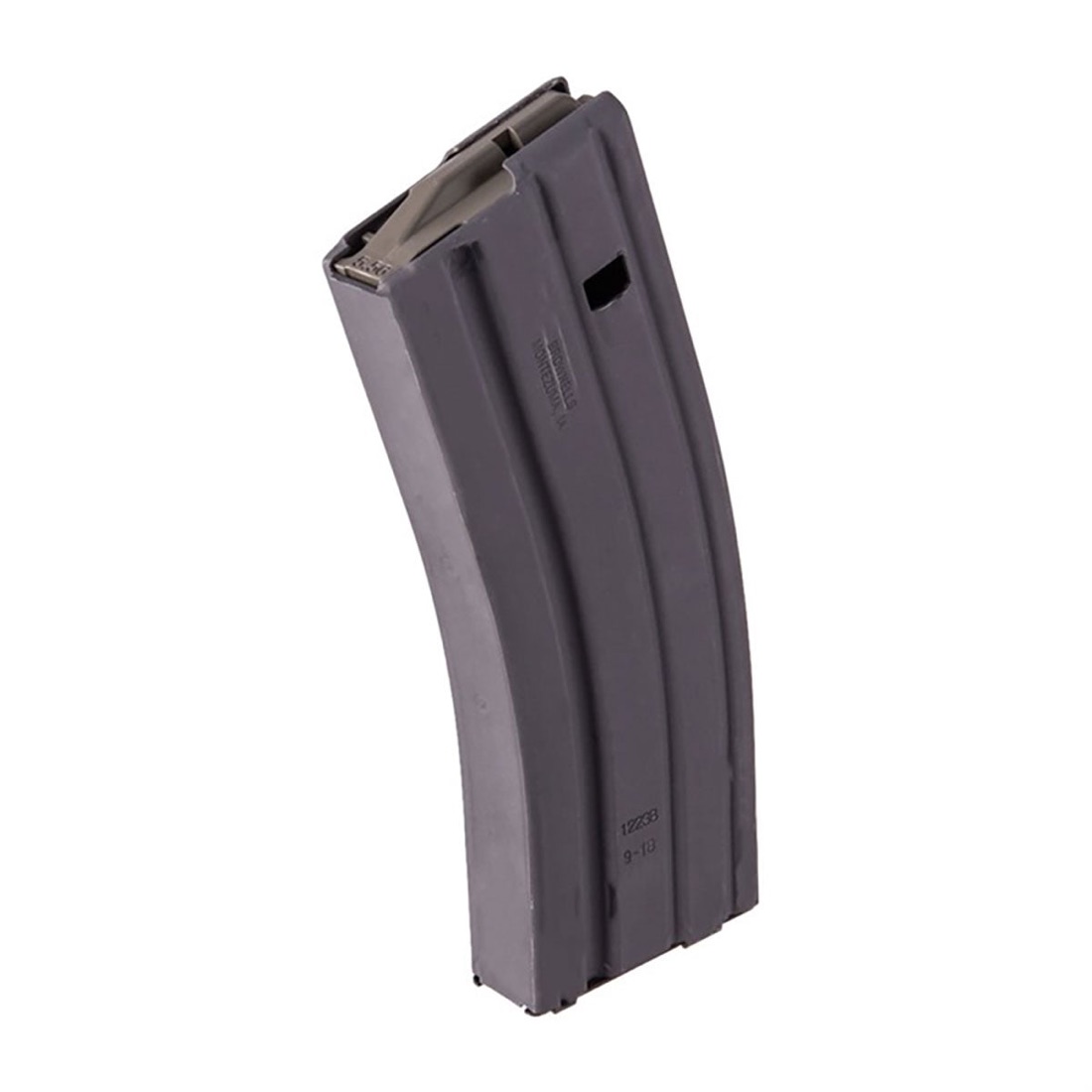
GI Mags (Okay Industries / Brownells)
Ol' reliable, still used worldwide — with the right upgrades. The usual failures come from the follower; swap in a quality anti-tilt follower like Magpul's and you're good to go. Fantastic for surplus mag pouches and early-GWOT builds.
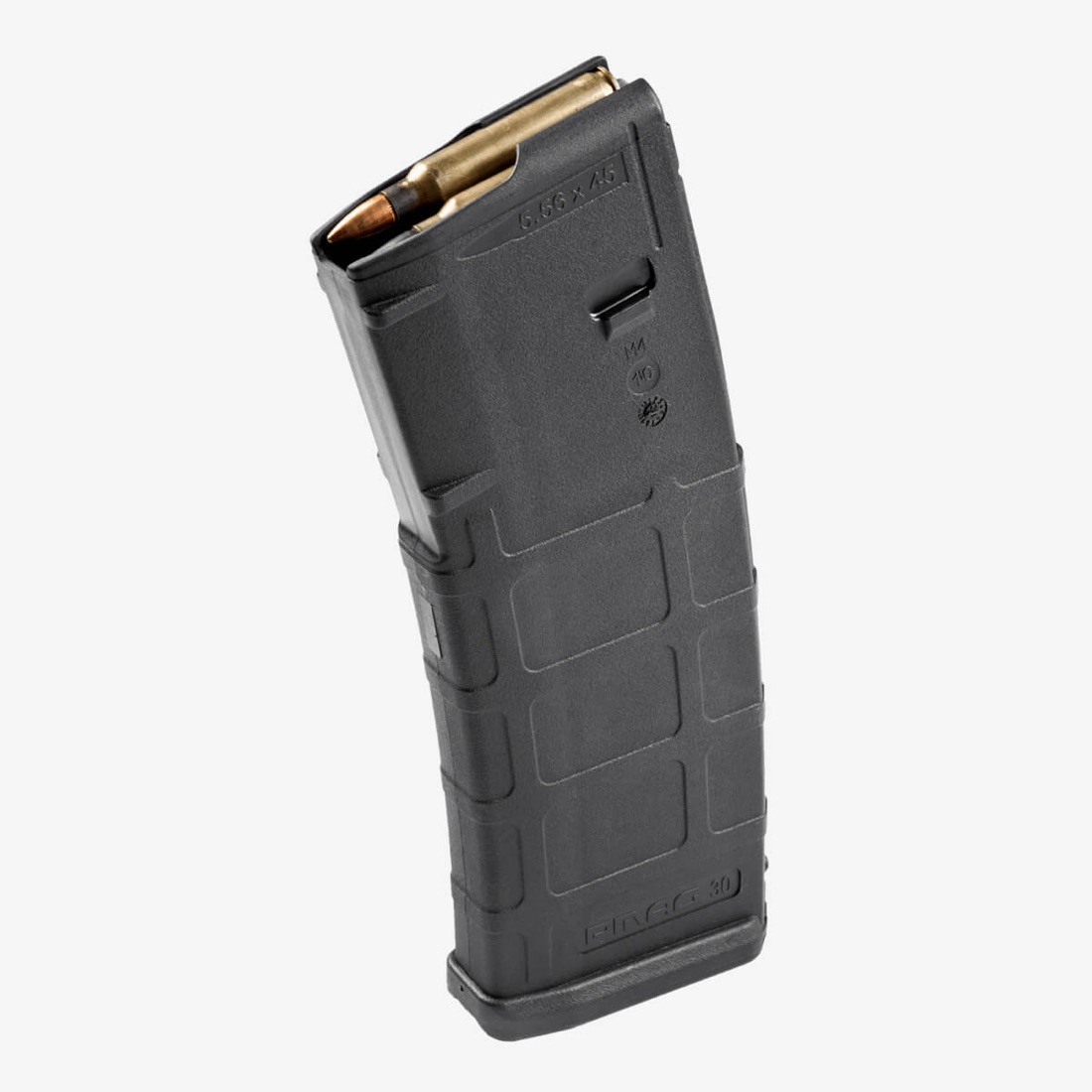
Magpul Gen 2 PMAG
We ran three Gen 2s through ten thousand rounds with zero malfunctions. The only real failure mode is over-insertion on an open bolt — stay conscious of that and don't slam mags, and you'll never have a problem. Great cheap magazines to stack in the safe instead of loose rounds in boxes.
Rifle Suppressors
Almost every company makes suppressors now and it would be impossible to test them all (Pew Science is trying). We've bought and run tens of thousands of rounds through several cans and developed love for some and hate for others.
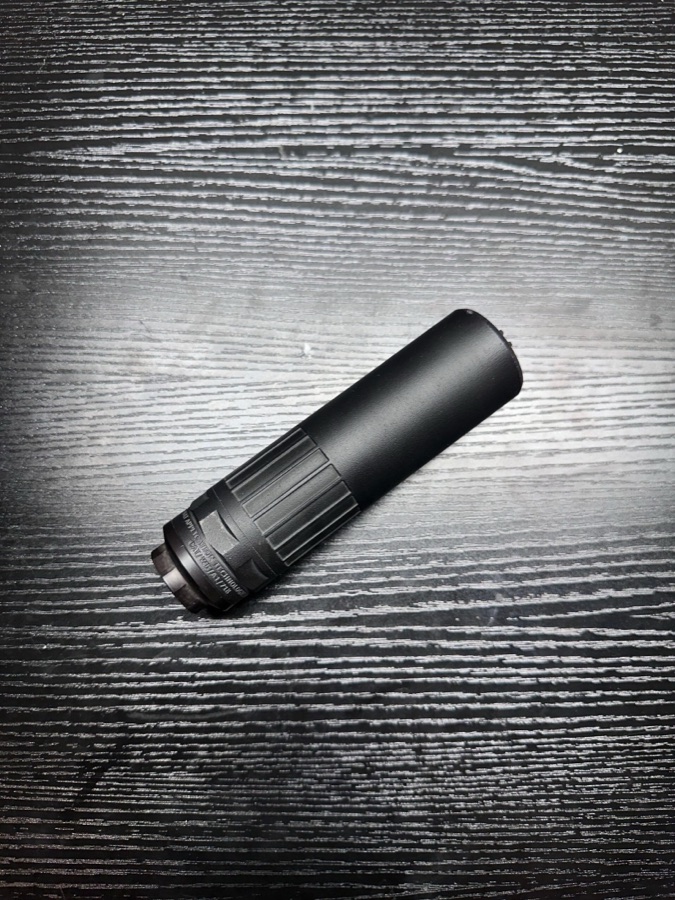
CAT WB 718
In the running with the best 5.56 cans on the market. Lightweight, low back pressure, great sound signature, and HUB compatible — run your SF, B&T, SilencerCo, Plan B, or KeyMo systems, or direct-thread for the lightest package. Full-auto rated, 14.6 oz, 5.5" minimum barrel, rated to 1,800°F.
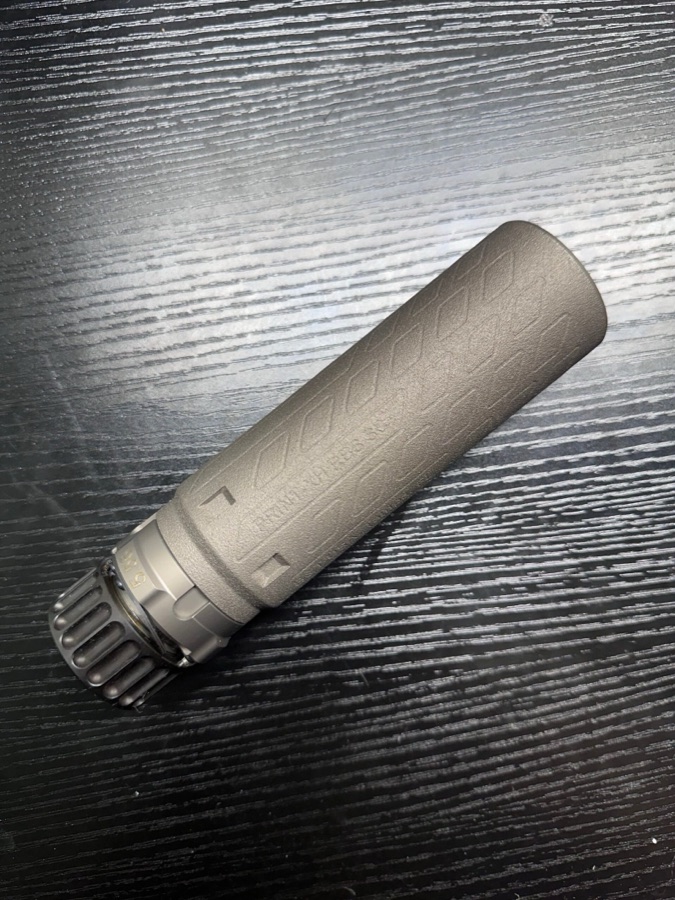
B&T XH556-SC
A lightweight can that takes absurd round counts with very low back pressure. It passed NATO standard testing — 22,000 rounds across 95 cycles of 240 rounds of full-auto — produces less signature than every K-sized can we've compared it to, and weighs a ridiculous 10.8 oz with the mounting hub. HUB compatible, and a natural pick if your rifles already wear Surefire muzzle devices.
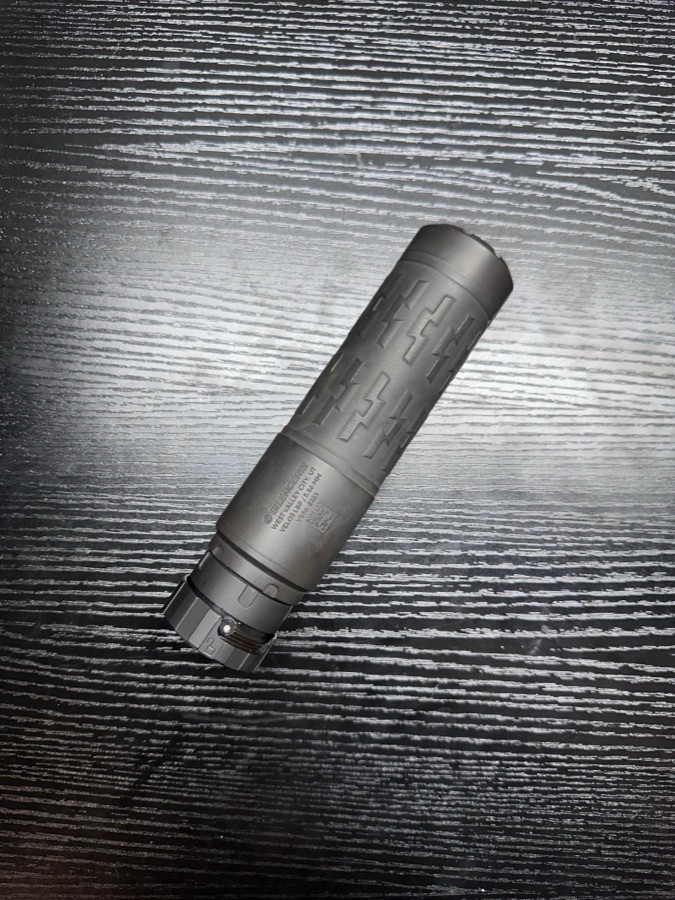
SilencerCo Velos LBP
The quietest and one of the most overbuilt cans on this list. Heavier at 15.2 oz, but you get belt-fed ratings, low back pressure, and an included muzzle device. Fantastic for a modern IAR setup laying down volume while keeping signature and gas down. We've run this can the most with FRTs — very little hangs with the Velos.
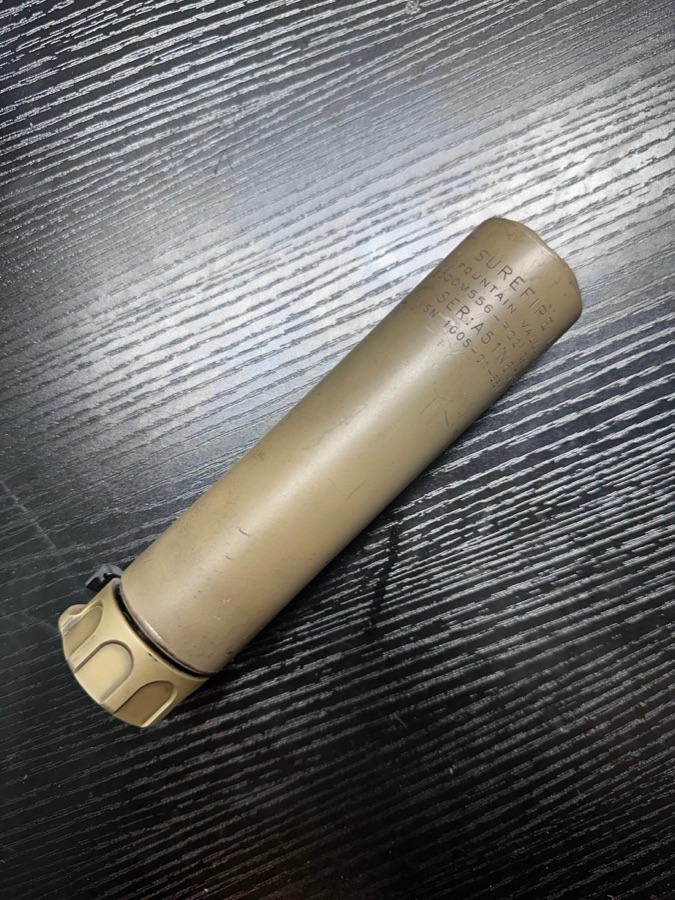
Surefire RC2
Any recommended list has to include the RC2. Bomb-proof and battlefield-tested — if Marines can't kill them, you won't either. Gassy and heavy enough to drive nails, but it performs exactly how you want in the field, with notoriously low flash signature. Full back pressure is the drawback against modern cans; nothing competes with its flash reduction and pedigree.
Pistol Optics
The volume of pistol optics plus YouTube reviewers pushing product makes it very hard to get this right the first — or third — time. We've used and abused handgun dots for years and worked on thousands of customers' optic-cut pistols. Few people in the industry have handled more of these.
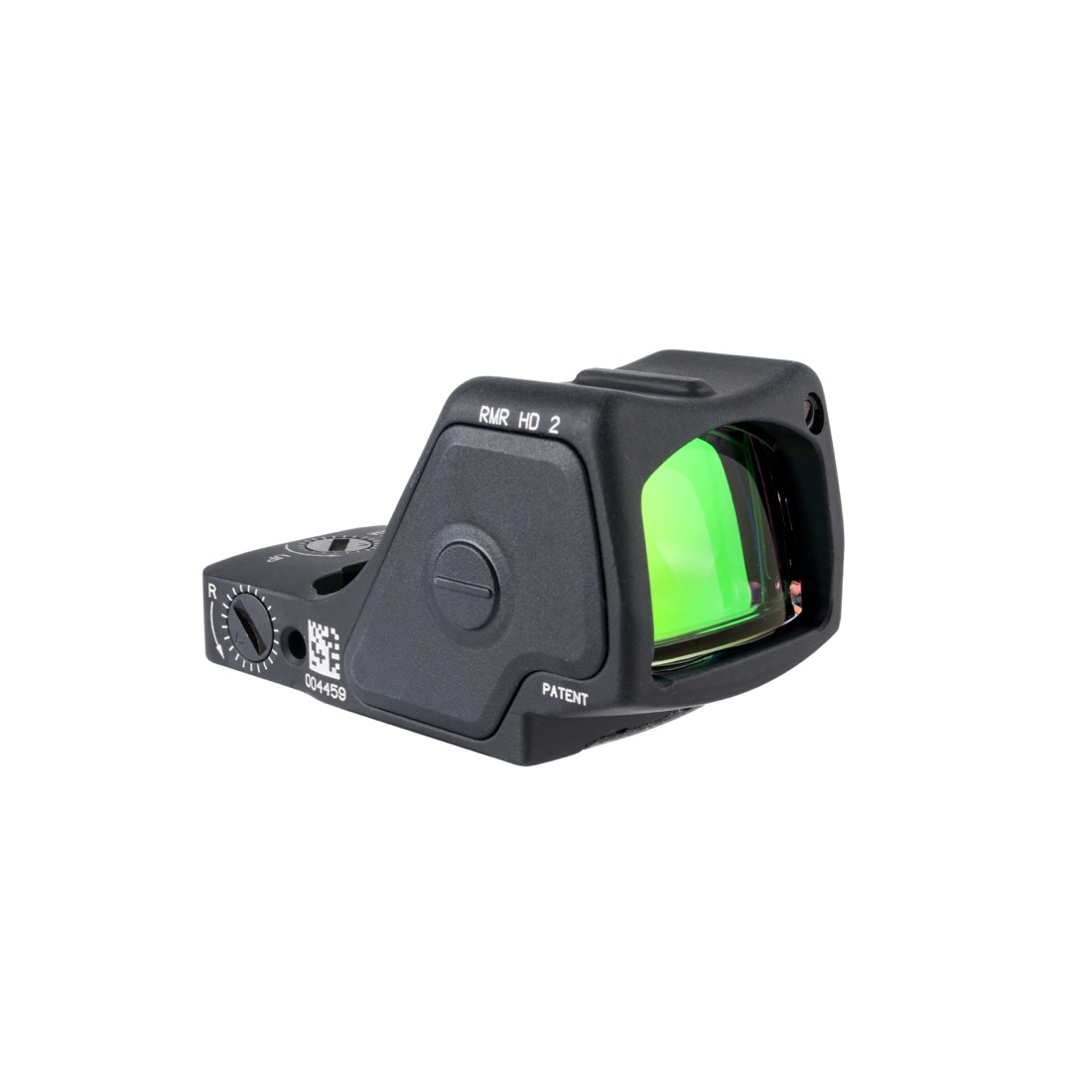
Trijicon RMR HD
If money isn't a concern, this is the first recommendation. Insanely durable, a window big enough for competition, American-made. Forged titanium body, Trijicon's premium electronics, and the patented RMR hood shape — geometrically the strongest structure for an optic hood. Over-engineered enough to have a real shot at surviving a drop off the Empire State Building.
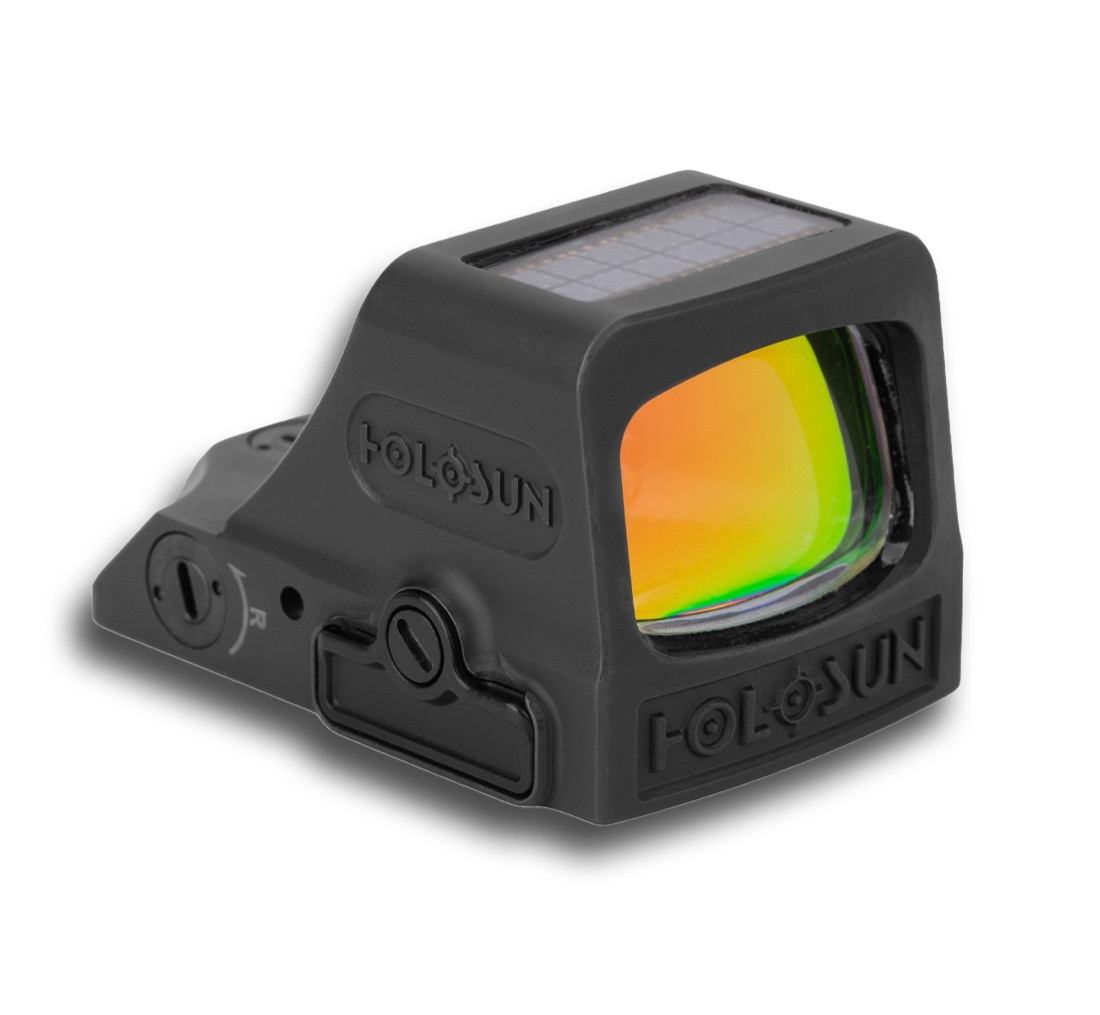
Holosun 508T
The best beating-taker that doesn't break the bank — half the price of the RMR HD with 90% of its features, including a forged titanium body. We've never seen one break. Made in China, which we're not fans of, but most Americans can't always afford American-made. The real con is battery life: carried daily at a proper daylight setting, expect to change the battery every 6 months. Do that and it will serve you great.
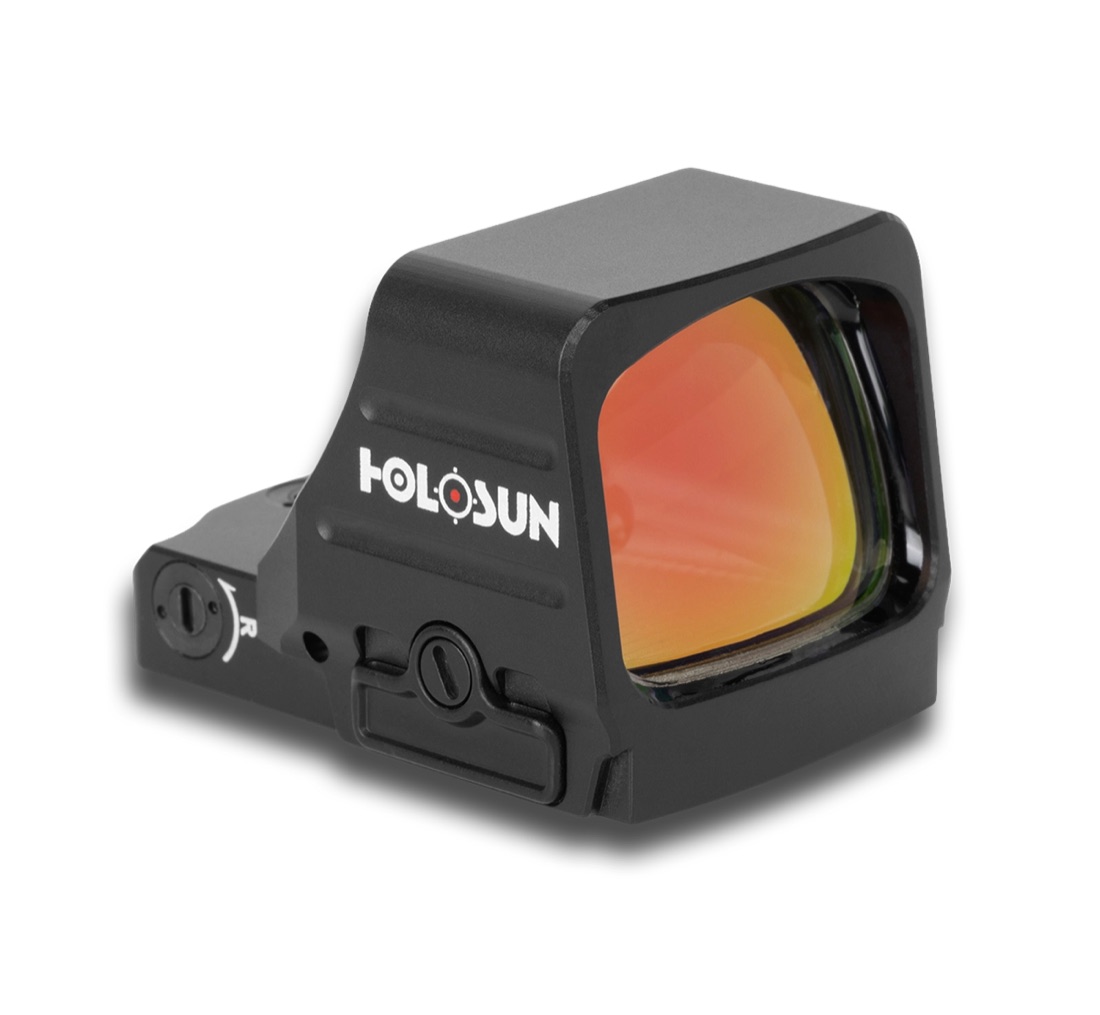
Holosun 507 Comp
For the money, the best big-window option for competition — it made the Trijicon SRO obsolete for most buyers. You can carry it too: ours have ridden on EDC pistols for years and tens of thousands of rounds without issue. Same Holosun rule applies — change the battery around 6 months, especially if you run the multi-reticle system.
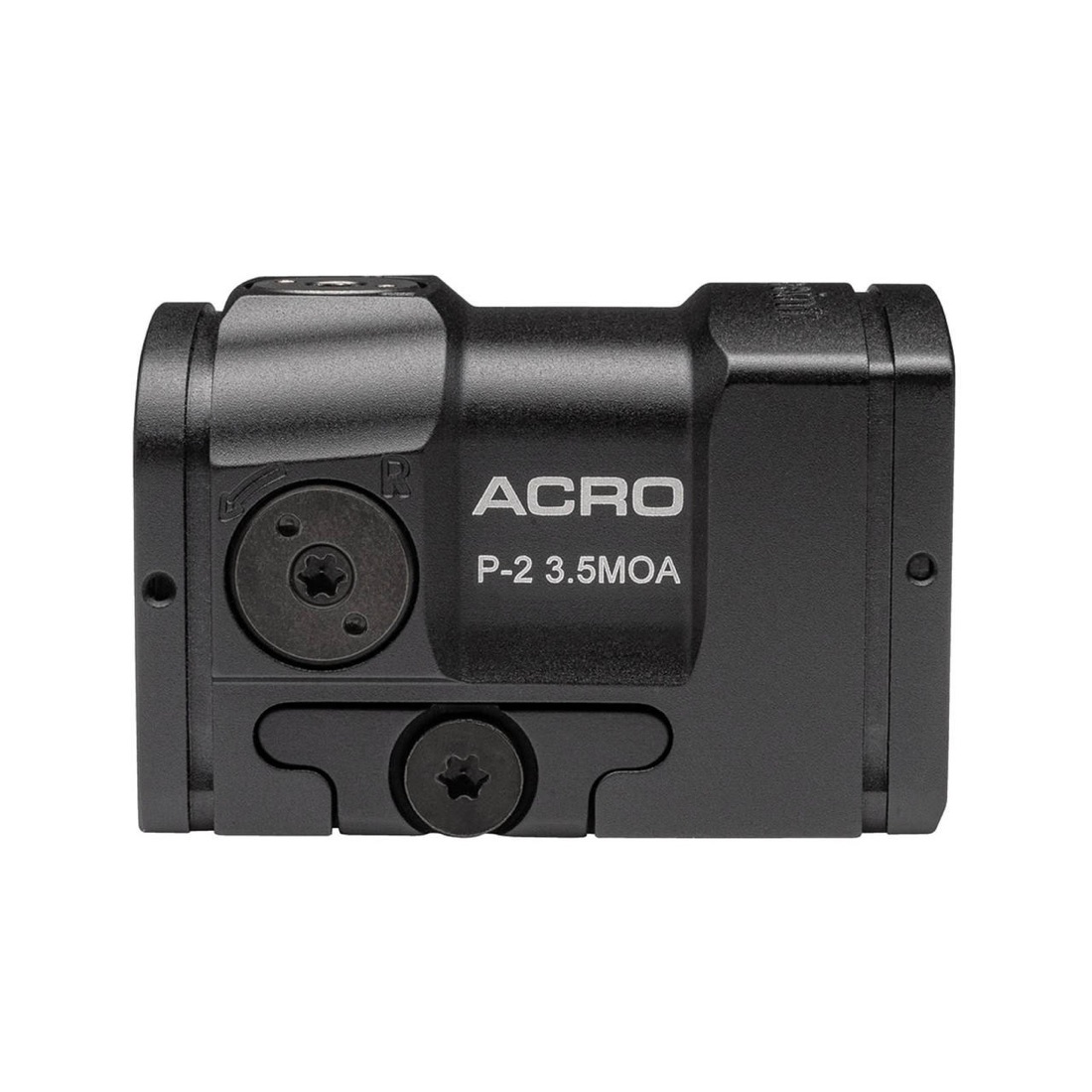
Aimpoint Acro P2
The number-one enclosed-emitter tank. For LE, military, or anyone running OWB with the optic exposed to rain, mud, and debris, we recommend enclosed emitters. The P1's fogging problem was supposedly resolved and we've seen no evidence it persists. If you can live with the smaller window and unique mounting, it's bomb-proof.
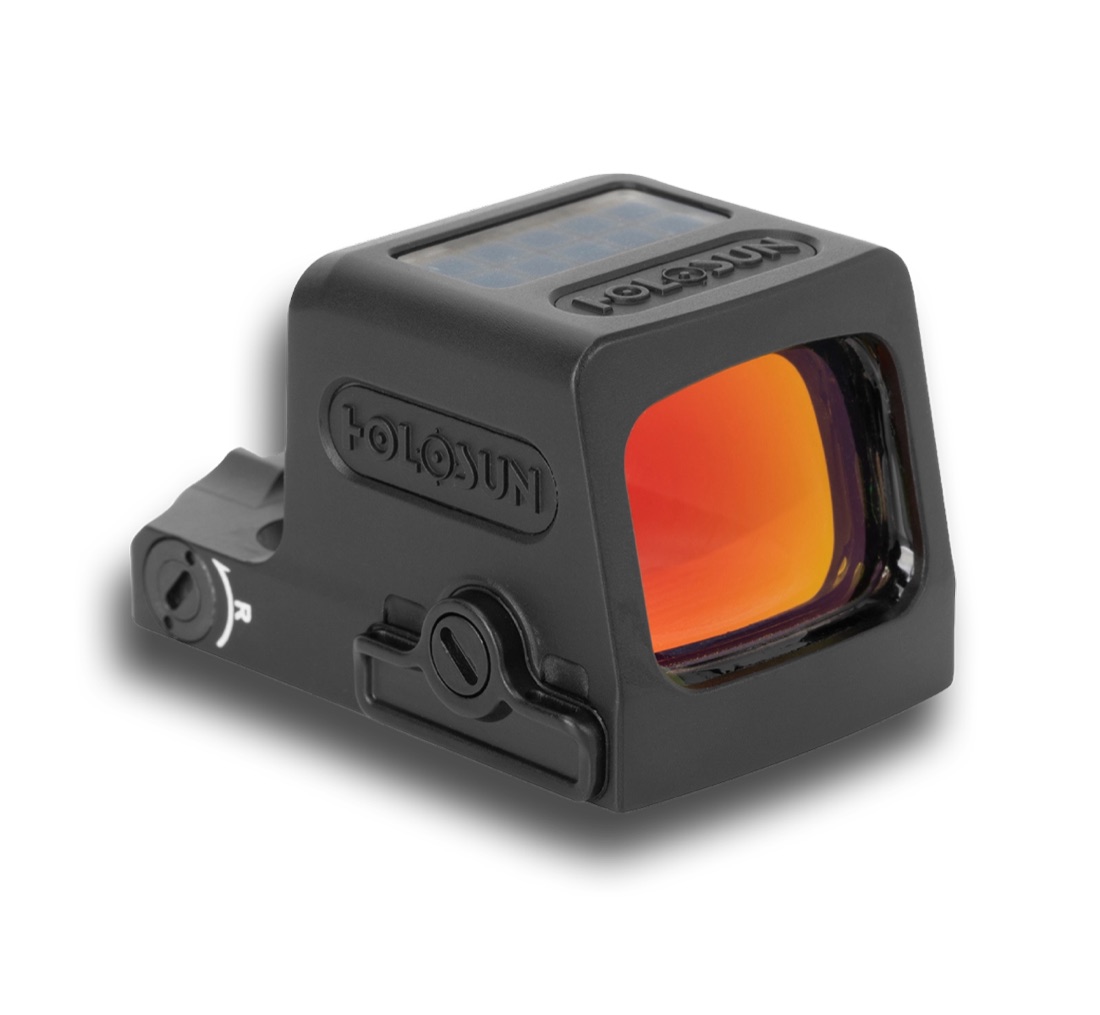
Holosun EPS Carry
For subcompacts — Glock 43X, Sig P365, that size class — the EPS Carry is a solid choice. Reasonably tough, enclosed emitter so you can wipe fanny-pack lint off the glass, and it direct-mounts to any RMSc-footprint slide. Same 6-month battery rule as the rest of the Holosuns — set a phone reminder and forget about it.
Forced Reset Triggers
There are numerous FRTs on the market and we've tried almost all of them. They rarely drop in without gas-system tuning — don't believe you'll install one without troubleshooting. We don't prefer cassette-style triggers: their pins are retained, at best, by anti-walk pins set with Loctite, versus spring tension in a Geissele or Mil-Spec hammer. Ranked from our testing and training:
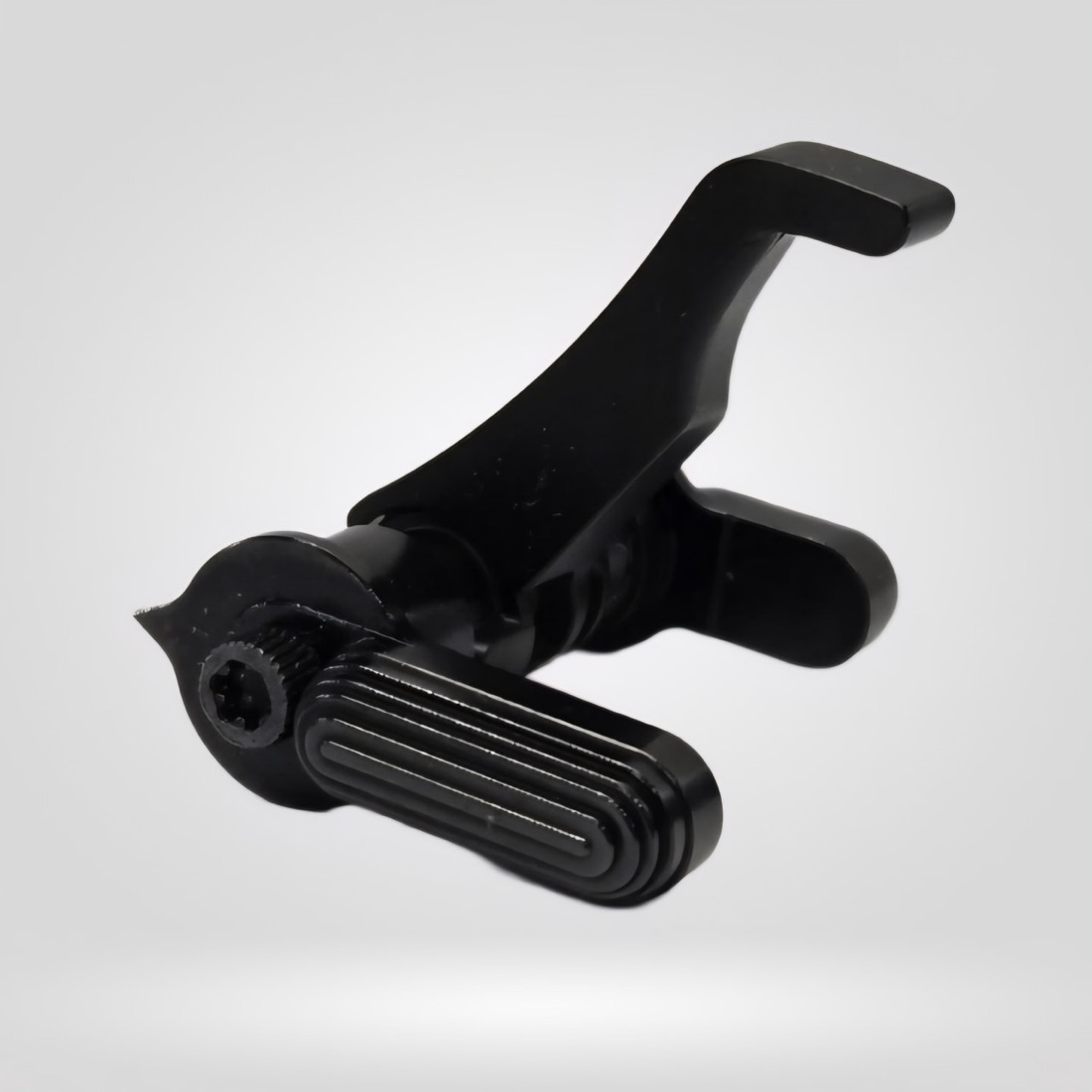
AS Designs Arc Fire
A 3-position traditional-lever FRT that works with Super Safety-cut triggers. Top of our list because you can run high-quality triggers like the Geissele SSA (SS-cut), and traditional lever FRTs beat crossbolt designs for positive transitions between fire and safe. For the best single-action FRT trigger: Arc Fire plus a Geissele SSA.
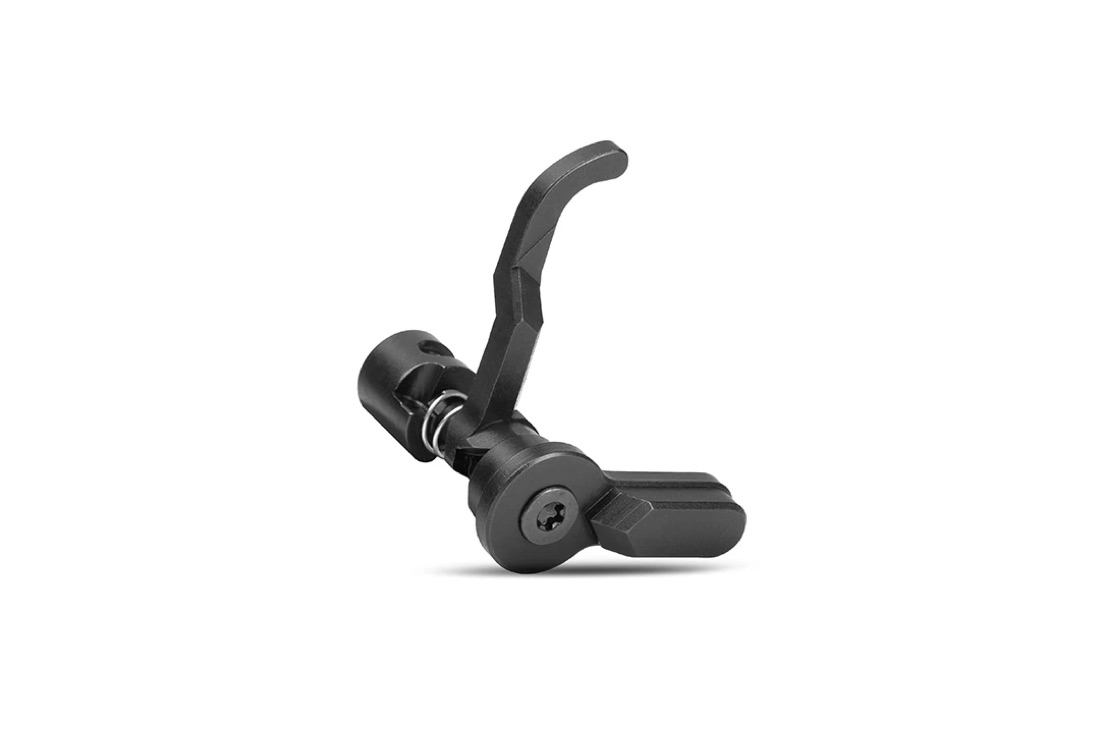
Atrius Forced Reset Selector
If you run a Mil-Spec trigger like the SOLGW Fighting Trigger, or want quality on a budget, this is it. Traditional 3-position selector like the Arc Fire. We love a solid Mil-Spec trigger and saving bones, so several of our rifles wear these. It won't work with non-Mil-Spec triggers without mods, and we haven't found mods as consistent as just running Mil-Spec — so that's the recommendation until their updated models release.
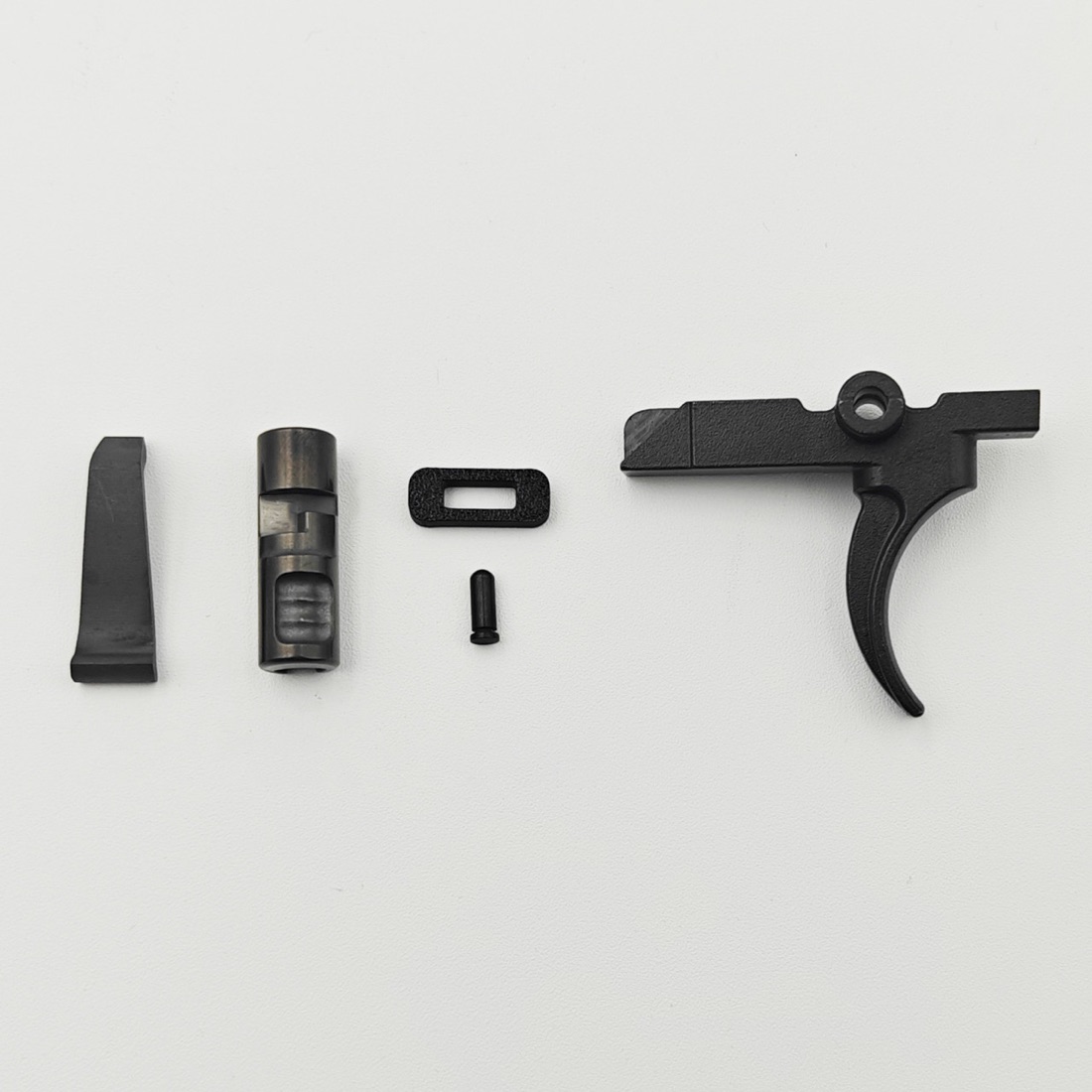
AS Designs Super Safety
The good ol' Super Safety — it took the market to a level nobody had seen. The cheapest way into a 3-position FRT, with millions on the market for good reason, and a wide variety of triggers can be fitted for the trigger snobs who also want to go fast. The design is genius for what it did; in practice it's cruder, with more quirks and tuning problems than something like the Atrius. If you want an FRT cheap, this is the way — but have someone who knows what they're doing install and fit it.